 404.445.7885


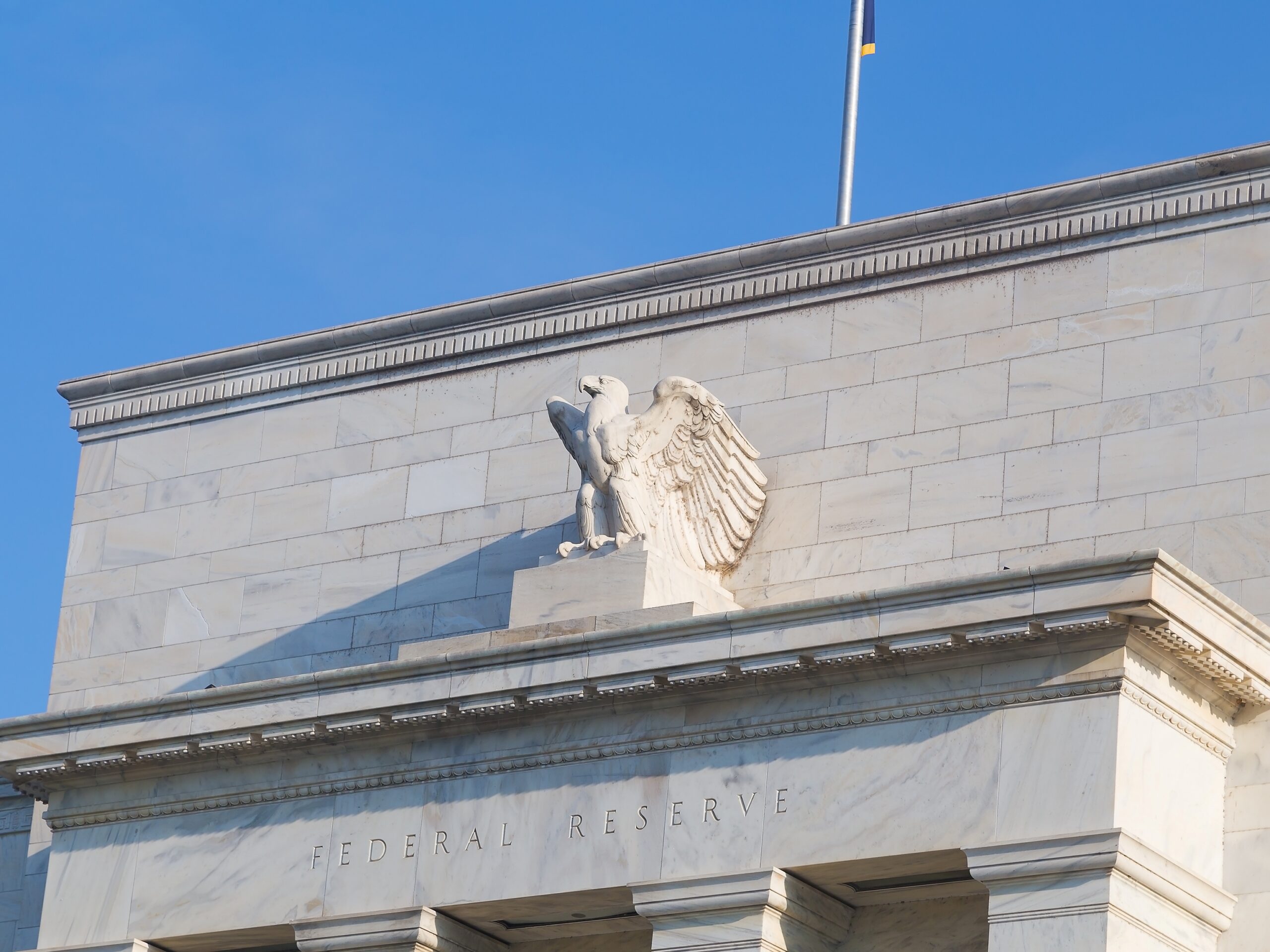
Despite a shift to a tightening bias by the Federal Reserve, equities ended higher during the four-day trading week. For the week, the S&P 500 Index was +1.0%, the Dow Jones Industrials +0.8%, and the NASDAQ +2.6%. The Technology, Industrial, and Communications Services sectors led the S&P 500 Index for the week, while the Energy, Real Estate and Health Care sectors lagged. The 10-year U.S. Treasury note yield was 4.455% at Thursday’s close versus 4.479% the previous week.
May retail sales rose +0.9% month-over-month and +6.9% year-over-year. Part of the increase was due to higher gasoline prices as gasoline station sales were +3.4% month-over-month and +26.5% year-over-year. This should start to reverse itself in June, as national average gasoline prices have declined 13.7% over the past month.
The Federal Reserve kept the Fed funds rate in the 3.50% to 3.75% target range and indicated in its updated Summary of Economic Projections that it could raise short-term rates by 0.25% by the end of the year. Current CME Fed funds futures show the potential for two 0.25% increases between now and year-end.
There are six companies in the S&P 500 Index scheduled to report earnings this week. Second quarter earnings are expected to grow by 22.0% and quarterly revenue growth is expected at 12.1%. Full-year 2026 earnings are expected to grow by 23.3% with revenue growth of 11.1%.
In our Dissecting Headlines section, we look at the Federal Reserve’s updated economic projections.
Financial Market Update

Dissecting Headlines: Federal Reserve Projections
The Federal Open Market Committee (FOMC) left the Fed funds rate unchanged at its 3.50% to 3.75% target range but indicated it could raise short-term rates by 0.25% by the end of the year. The policy projection comes from a revised view of the economy with weaker Gross Domestic Product (GDP) growth, stronger employment, and higher inflation.
The FOMC updated its economic projections for 2026 as follows: Real GDP was lowered to 2.2% from 2.4%, the Unemployment rate was lowered to 4.3% from 4.4%, Personal Consumption Expenditures (PCE) Inflation was raised to 3.6% from 2.7%, and core PCE (excluding food and energy prices) was raised to 3.3% from 2.7%.
With the employment situation relatively healthy, reducing the rate of inflation is the key item on the FOMC’s agenda. The ending sentence of the meeting statement was “The Committee will deliver price stability.” The Committee clearly signaled a priority for inflation fighting versus economic growth.
In addition to the Statement and updated Economic Projections, new Chairman Kevin Warsh announced a plan to organize five Task Forces to look at the Fed’s current frameworks, data, and processes. The task forces are Inflation Measurement and Frameworks, Economic Data Sources, Productivity and Employment, Communications Strategy, and Balance Sheet and Monetary Operations. The new Chairman wants to modernize how the Fed analyzes the economy and implements monetary policy. These changes are likely to take several meetings to implement and could set the tone for his tenure as Chairman.
________________________________________
Want a printable version of this report? Click here: NovaPoint Weekly June 22, 2026
To learn more about these topics and our investment strategies, call us at 404-445-7885 or contact us here.
Do you understand your personal investment risk tolerance and the risk of your current portfolio? You can learn these by taking our Risk Analysis Questionnaire.